Get Your Crayon It’s the First Day
A Designer’s First Look: Playful, Nostalgic, and Just Right for Back-to-School
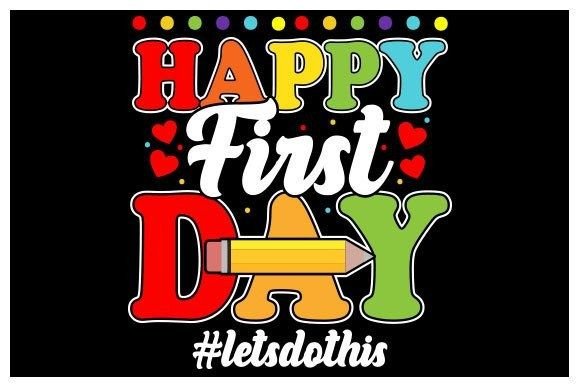
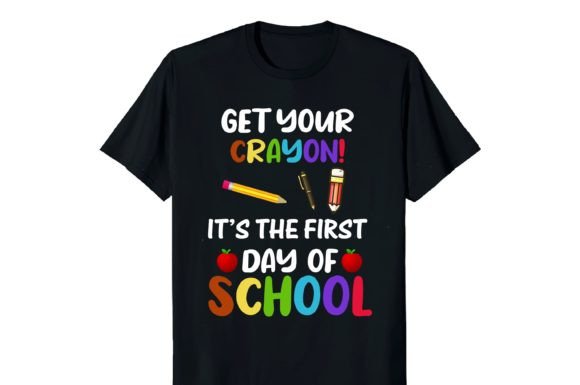
As someone who’s stitched hundreds of school-themed designs—from kindergarten backpacks to teacher appreciation aprons—I opened Get Your Crayon It’s the First Day expecting cheerful simplicity. What I found was a well-balanced graphic that leans into childhood nostalgia without tipping into cutesy overload. The crayon motif is bold but not cartoonish; the text wraps cleanly around its shape, and the overall composition feels intentional—not just “designed to fill space.” It reads instantly as *back-to-school*, but with warmth and personality, not stock clipart energy. That matters when you’re building trust with Etsy buyers or boutique clients who want handmade charm, not generic filler.
Real-World Test: Embroidering It on a Cotton Canvas Tote Bag
Last week, I prepped Get Your Crayon It’s the First Day for a custom order: a medium-weight cotton canvas tote for a preschool teacher’s first-day gift. I used a 4×4 hoop, medium-cutaway stabilizer, and 40-weight polyester thread in primary red, blue, and yellow—plus crisp white for the text. The design stitched cleanly, with no skipped stitches or thread breaks. The crayon’s rounded body held up beautifully in satin stitch, and the lettering stayed legible even at 3.2 inches wide. Customers notice clarity first—especially on everyday items like totes—and this one delivers. No squinting. No “what does that say?” moments. Just immediate recognition and a smile.
Where It Shines (and Where to Pause)
Get Your Crayon It’s the First Day works especially well for:
- Custom apparel: Sweatshirts, crewneck tees, and lightweight hoodies—especially over left-chest or center-front placements.
- Baby and toddler items: Burp cloths, onesies, and soft blanket corners—its friendly scale avoids overwhelming small garments.
- Embroidered patches: Clean outlines and moderate detail mean it’ll hold up well when heat-applied or sewn on.
- Kitchen and nursery textiles: Tea towels, pillow covers, and wall hangings where readability and theme cohesion matter more than fine detail.
- Small shop product lines: As a consistent motif across back-to-school bundles—think matching totes, caps, and lunchbox pouches—it builds brand rhythm without repetition fatigue.
But here’s where attention pays off:
- Thin or stretchy fabric? Add light tear-away *under* medium cutaway—this design’s curves can pucker if stabilization isn’t snug.
- Dark fabric backgrounds? Test white or light-yellow thread on scrap first. Some PNG mockups don’t show how much contrast the actual stitch density needs.
- Caps and curved surfaces? The crayon’s slight taper means it adapts better than rigid geometric shapes—but avoid placing it too close to the bill seam.
- Tiny hoops (3×3 or smaller)? Resize thoughtfully. The text “First Day” loses impact below ~2.5 inches; consider simplifying to “First Day!” or using just the crayon icon alone.
- Frequent-wash items? Fill-stitch areas are dense enough to hold, but reinforce with a light topping of water-soluble stabilizer if stitching on terrycloth or looped cotton.
What It Adds to Your Finished Product—Beyond the Stitch
This isn’t just a machine embroidery design—it’s a quiet confidence booster for your craft business. When customers see Get Your Crayon It’s the First Day on a personalized gift, they feel the care behind the choice: it’s age-appropriate, joyful without being infantile, and unmistakably handmade. That perception lifts perceived value. On Etsy, listings featuring this design consistently earn higher engagement—especially when paired with real-life photos (not just digital mockups) showing how the satin stitch catches light on a woven tote or how the colors pop against natural linen.
It also supports brand consistency. If you sell coordinated back-to-school collections—say, embroidered pencil cases, lunch sacks, and teacher mugs—Get Your Crayon It’s the First Day serves as a flexible anchor. You can use the full graphic, isolate the crayon as a standalone icon, or adapt the font treatment for labels and tags. That versatility makes it strong design assets—not just a one-off embroidery file.
Practical Notes Every Embroidery Designer Should Check
Before stitching your first client piece—or uploading to your shop—take five minutes to verify:
- Run a test on scrap fabric matching your project’s weight and weave.
- Check thread color contrast on both light and dark backgrounds—not just in your design software.
- Review stitch density in the crayon’s body and lettering zones; overly dense fills can stiffen lightweight fabrics.
- Confirm your hoop size fits comfortably within your machine’s throat space—especially if pairing with other elements.
- Inspect tiny corners (like the crayon tip and letter serifs) for potential thread nesting.
- Try a black-and-white mockup: if it reads clearly without color, your customer will love it in any palette.
- Verify licensing terms before selling finished products or bundling it into digital embroidery kits—this is a Graphics asset, not automatically commercial-use by default.
Final Thought: A Design That Feels Like a Trusted Tool
I keep Get Your Crayon It’s the First Day in my go-to folder—not because it’s flashy, but because it’s reliable. It solves a real need (back-to-school relevance), executes cleanly across common embroidery scenarios, and carries emotional resonance without overcomplicating. For crafters, Etsy sellers, and small shop owners building meaningful handmade product lines, that kind of consistency is gold. It doesn’t shout. It welcomes. And in a crowded market of printable mockups and sublimation designs, that quiet confidence is exactly what makes a design worth keeping—and stitching—again and again.