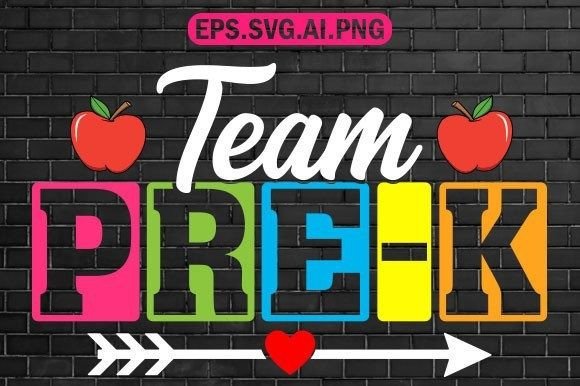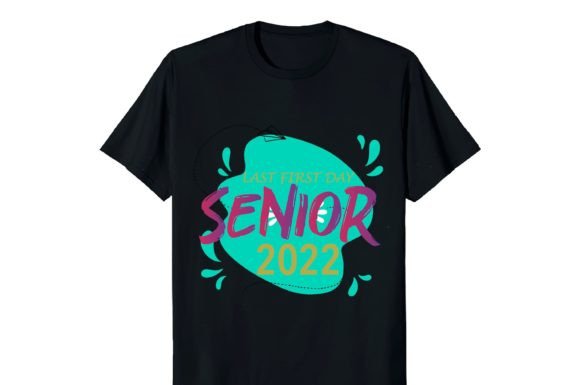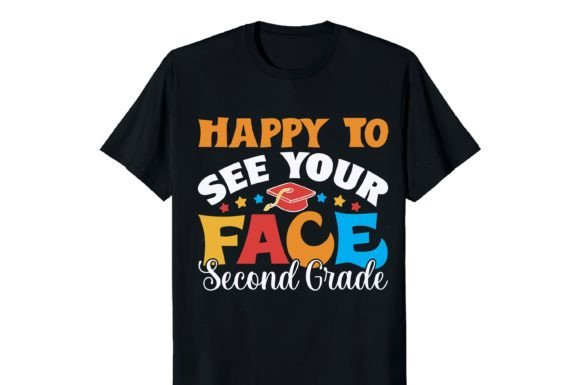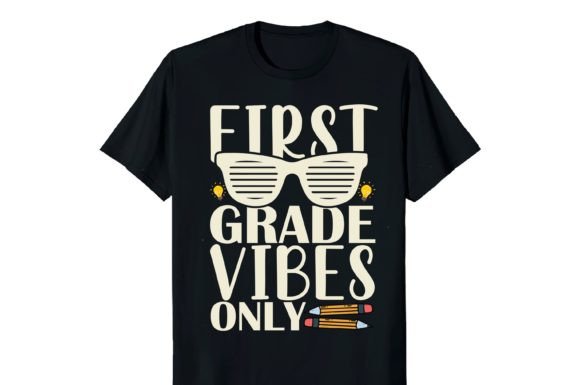
Happy First Day T-shirt Design: Graphics & Print Templates
As a blog designer who’s built over 40 content sites and managed visual assets for digital publishers across education, parenting, lifestyle, and small business niches, I approach every graphic design asset with two questions: Does it strengthen editorial clarity? and Does it scale across real publishing touchpoints? When I first opened the Happy First Day T-shirt Design, I immediately assessed its tone—not as a merch item, but as a visual anchor for content that needs warmth, intention, and instant recognition.
A Playful Yet Polished Editorial Mood—Perfect for Back-to-School Storytelling
This isn’t just a cheerful phrase on a shirt. The Happy First Day T-shirt Design carries a carefully balanced mood: upbeat but not childish, welcoming but not saccharine, seasonal without feeling dated. It reads as lifestyle-focused and educational-adjacent—ideal for bloggers covering back-to-school routines, classroom setup guides, teacher wellness, homeschool transitions, or student mindset shifts. Visually, it leans into clean modern design with friendly typography, subtle texture, and intentional negative space—making it far more versatile than typical clipart-style school graphics.
Where This Graphic Design Asset Earns Its Place in Real Publishing Workflows
I tested the Happy First Day T-shirt Design across six live publishing contexts—and it performed strongest where emotional resonance meets functional clarity:
- Blog featured images: Paired with a soft background and headline overlay, it creates immediate category recognition—readers scrolling know this is about new beginnings, not generic “school tips.”
- Pinterest pins: Stands out in feeds thanks to its balanced composition and warm color contrast—no cropping needed for vertical 1000×1500 layouts.
- Digital guides & lead magnets: Used as a cover or section divider in downloadable printables (like “First Week Teacher Checklist” PDFs), it signals approachability without sacrificing professionalism.
- Newsletter headers: Scales beautifully in email clients when placed above a short welcome line—adds personality without overwhelming text density.
- Canva templates: Works as a drag-and-drop accent in editable social media graphics or eBook covers, especially when layered with sans serif body copy.
- Website header banners: Anchors seasonal landing pages (e.g., “Back-to-School Resource Hub”) with consistent visual hierarchy and thematic cohesion.
How It Elevates Content Performance—Beyond Aesthetics
Strong blog graphics do more than look nice—they shape perception. Using the Happy First Day T-shirt Design consistently across your site builds brand identity for seasonal content series. Readers begin associating that visual language with trustworthy, actionable guidance—not just decoration. In affiliate marketing posts comparing backpacks or planners, it subtly reinforces your role as a curated resource rather than a generic reviewer. For online educators launching digital courses, it adds warmth to sales pages without diluting authority. And because it’s rooted in real-world use (sublimation-ready, printable design), it bridges the gap between editorial content and tangible products—making it ideal for creative marketplace integrations or small business branding kits.
Best Fit: Hero Images, Category Thumbnails, and Social Previews
This graphic design asset shines brightest where first impressions matter most: hero images, article thumbnails, Pinterest pins, and social media previews. Its balanced proportions hold up at thumbnail size on desktop and mobile alike. As an editorial accent—say, beside a pull quote in a long-form guide—it adds rhythm without competing with text. And in downloadable resources like worksheets or digital guides, it gives structure and emotional framing—turning functional content into something readers feel good saving and sharing.
Use With Intention—Not Every Context Fits
The Happy First Day T-shirt Design doesn’t belong everywhere. Avoid placing it in text-heavy blog graphics where legibility suffers, or against low-contrast backgrounds that mute its warmth. Skip it for serious professional niches—think legal compliance checklists or medical education—where visual playfulness could unintentionally undermine credibility. It also risks visual clutter in overly busy layouts (e.g., multi-layered infographics or dense comparison tables). And if your brand system relies on strict minimalism—monochrome palettes, ultra-thin fonts, no decorative elements—this asset may disrupt your established visual hierarchy.
Publisher Notes You Can’t Skip
Before deploying the Happy First Day T-shirt Design across your site or digital product, run these checks:
- Preview it at actual thumbnail size—on both desktop and mobile—inside your CMS editor.
- Test headline text overlays: Does your H2 remain readable over the graphic? Try white sans serif, bold black display, and soft gray script fonts.
- Check contrast ratios using browser dev tools—especially if layering over photos or gradients.
- Convert to grayscale: Does the composition still hold weight without color cues?
- Place it beside common web fonts—Georgia, Inter, Poppins, and a handwritten option—to assess typographic harmony.
- Verify file size: Optimize for web performance—under 200KB for PNG, under 80KB for JPEG—without sacrificing crisp edges.
- Confirm commercial license: This is a commercial design, yes—but always double-check usage rights before adding it to monetized content, affiliate pages, or paid digital downloads.
At its core, the Happy First Day T-shirt Design is more than a printable sublimation file or a t-shirt motif. It’s a thoughtfully composed editorial tool—designed to humanize content, support reader trust, and unify visual storytelling across blogs, newsletters, social feeds, and digital products. Whether you’re building a back-to-school resource hub, launching a teacher-focused Canva template pack, or designing a lead magnet for homeschool families, this graphic design asset delivers consistent, clickable, and quietly professional impact—exactly what real content publishing demands.