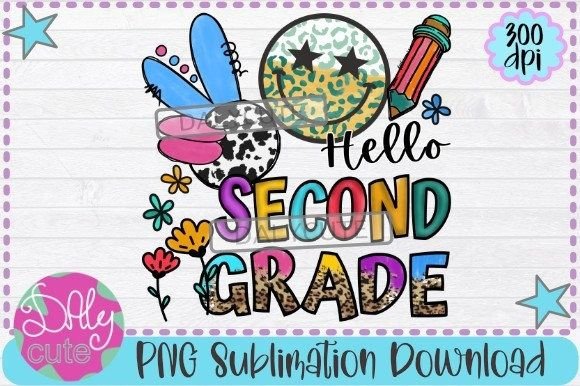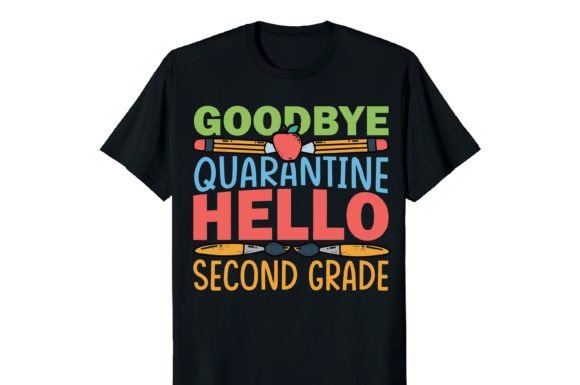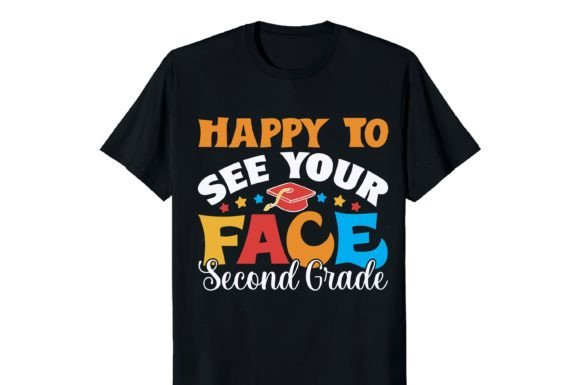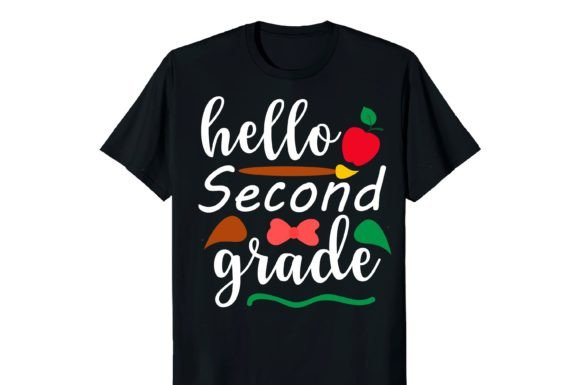
Hello Second Grade T-shirt File
A Designer’s First Glance: Friendly, Focused, and Ready for Real Stitching
Opening Hello Second Grade T-shirt File feels like unrolling a cheerful classroom bulletin board—clean lines, balanced spacing, and a warm, confident tone. It’s not overly cutesy or cartoonish; instead, it lands in that sweet spot between playful and polished—ideal for back-to-school gear, teacher appreciation gifts, or personalized keepsakes. The lettering is legible at a glance, with subtle rounding on the “H” and “G” that adds approachability without sacrificing clarity. As an embroidery designer who’s stitched hundreds of grade-level designs, I immediately notice how well this one breathes: generous negative space around each character, no cramped serifs, and consistent stroke weight. That’s not just nice to look at—it’s essential for clean satin stitch execution and thread coverage.
Where This Design Truly Shines (and Where It Plays It Smart)
I recently tested Hello Second Grade T-shirt File as a machine embroidery design on a lightweight cotton tote bag for a local elementary PTA fundraiser. The result? Instant recognition, zero squinting, and genuine smiles from parents spotting it across the gym floor. It works beautifully on sweatshirt embroidery—especially when paired with a simple coordinating border or single-color background fill. On baby embroidery projects (think onesies or bibs), it reads clearly even at 3.5 inches wide, thanks to its open layout and minimal fine detail. As a tote bag design or apron front, it holds up across fabric textures without needing heavy digitizing tweaks. And because it’s delivered as a digital embroidery file in AI, EPS, SVG, and PNG formats, it transitions smoothly into printable mockups—critical if you’re listing on Etsy or building a small shop product catalog.
Real-World Considerations Before You Hoop It Up
Let’s be practical: Hello Second Grade T-shirt File isn’t built for ultra-fine detail work. There’s no intricate shading, no nested applique elements, and no micro-lettering—so don’t expect it to carry tiny decorative flourishes on a curved cap bill or dense fill stitch on a thick fleece blanket. That’s actually a strength. On stretchy fabric or thin knits, its moderate stitch density avoids puckering. On dark fabric, it reads cleanly with standard 40-weight thread—just confirm contrast early by testing black and white mockups side-by-side. For embroidered patches or holiday embroidery (like a “Hello Second Grade” pillow cover for a graduation gift), use tear-away stabilizer for crisp edges, and avoid layering it over seams or high-curve zones unless you’ve pre-tested hoop placement.
Smart Use Cases for Craft Business & Etsy Sellers
- Personalized gifts: Pair with monogrammed initials or a name tag below—ideal for back-to-school bundles.
- Small shop merchandise: Works seamlessly on unisex tees, canvas totes, and kids’ sweatshirts—no resizing gymnastics needed.
- Digital product previews: The included SVG and PNG files make it easy to drop into printable mockups for your Etsy listings or Instagram shop feed.
- Commercial embroidery: Clean vector outlines mean scalable resizing without pixelation—just verify your digitizer confirms stitch count and underlay before bulk runs.
What This Design Says About Your Brand—Before a Single Stitch
Using Hello Second Grade T-shirt File signals intentionality. It tells customers you value clarity over clutter, warmth over whimsy, and craftsmanship over speed. In a handmade product landscape crowded with overdesigned clipart, this file stands out for its restraint—and that builds trust. Parents recognize it instantly. Teachers feel seen. Gift buyers appreciate the quiet professionalism. Even in a boutique branding context—say, stitching it onto linen tea towels for a school-themed kitchen line—it maintains cohesion without shouting. That consistency matters, especially if you’re curating a collection of Print Templates or Graphics centered around milestones and learning moments.
Five Must-Do Checks Before Embroidering
- Test on scrap fabric first—especially if using textured or stretchy material. Note how the satin stitch flows and whether corners stay sharp.
- Review thread colors against your base fabric. A navy tee? Try medium gray or cream—not stark white—unless contrast is your goal.
- Confirm hoop size compatibility. At standard sizing, it fits comfortably in a 4x4 hoop, but always double-check your file’s actual dimensions before loading.
- Inspect small details in vector preview—the “o” and “e” should hold shape without pinching. If they appear too tight, slight manual expansion may help.
- Verify licensing terms before selling finished products or reselling the digital embroidery file. As a Graphics asset, usage rights affect your craft business long-term.
Final Thought: A Reliable Workhorse, Not a Flash-in-the-Pan Trend
Hello Second Grade T-shirt File won’t wow with novelty—but it delivers where it counts: readability, adaptability, and real-world wearability. It’s the kind of embroidery file you keep in your go-to folder for client requests, seasonal collections, and last-minute personalized gifts. Whether you're stitching it onto a baby embroidery onesie, a teacher’s apron, or a custom embroidered patch for a school event, it arrives ready—not perfect, but purpose-built. And in the world of commercial embroidery and creative entrepreneurship, that kind of thoughtful utility is rare, valuable, and quietly professional.